Search Search the whole station

Horizontal Ribbon Mixer

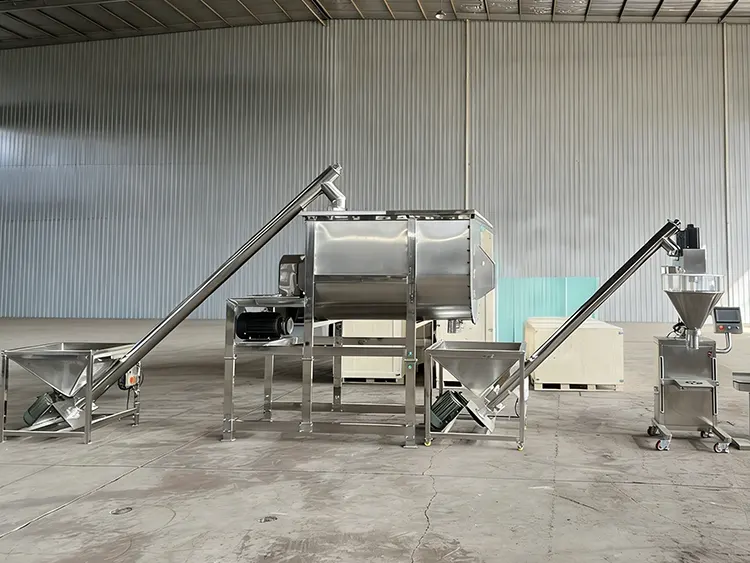
Ribbon Mixer(images 1)
Ribbon Mixer(images 2)
Ribbon Mixer(images 3)
Ribbon Mixer(images 4)
Ribbon Mixer(images 5)
Ribbon Mixer(images 6)

Introduction

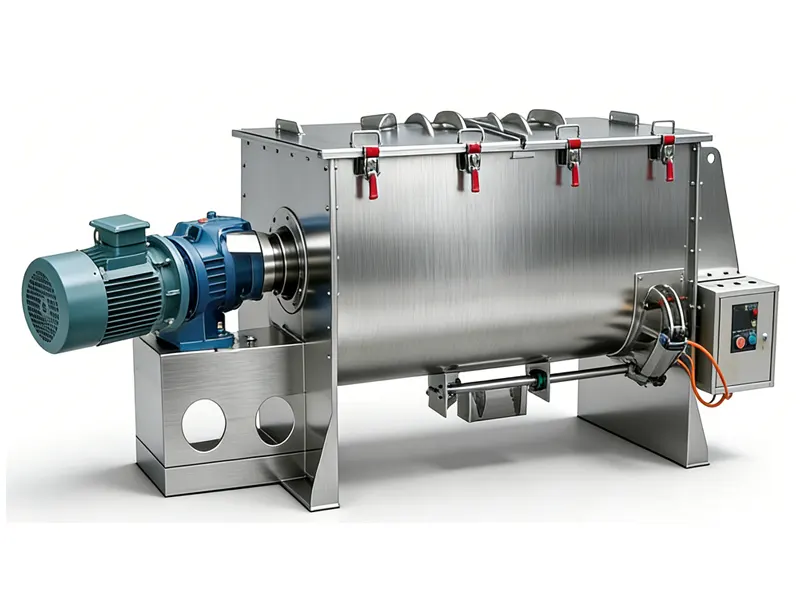
The horizontal ribbon mixer is a highly efficient batch mixing equipment characterized by its unique double-ribbon design (inner and outer helical blades).

These counter-rotating blades move materials in opposing directions, creating intense cross-mixing that achieves high uniformity in just minutes.

It is renowned for its high mixing efficiency, large productivity, low energy consumption, and exceptional reliability.

Features

  • Material304/316L Stainless Steel, Carbon Steel
  • Batch working volume0.1-15cbm
  • Batch0.3-15 tons
  • Mixing time5-20 mins
Product Introduction

Ribbon Blender Working Principle

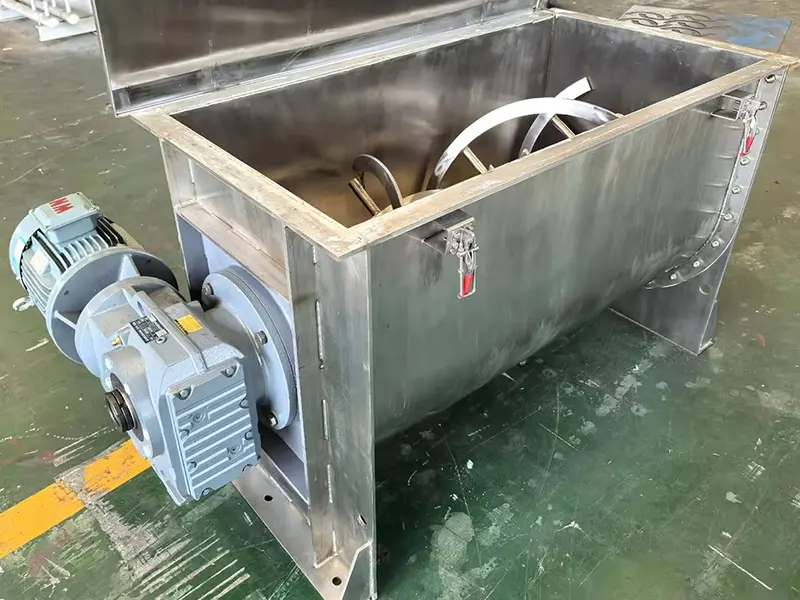
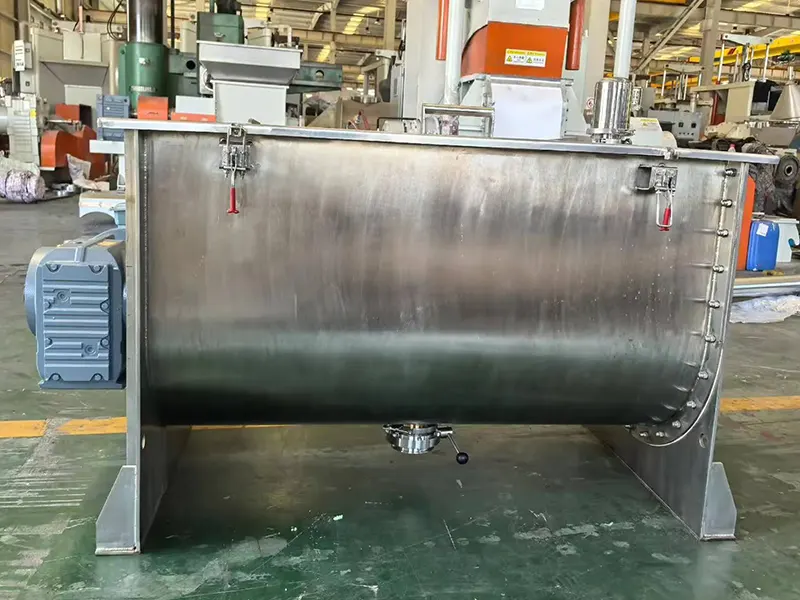
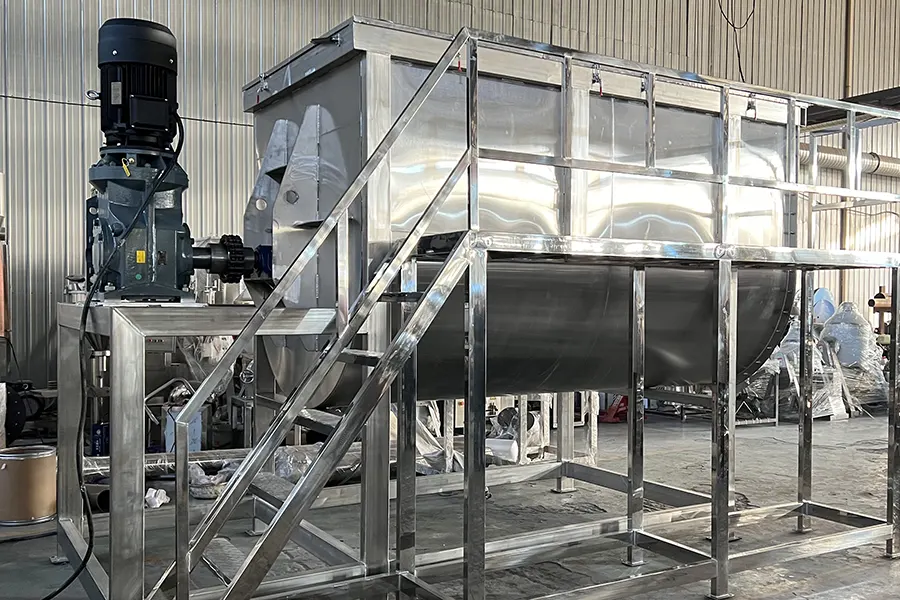
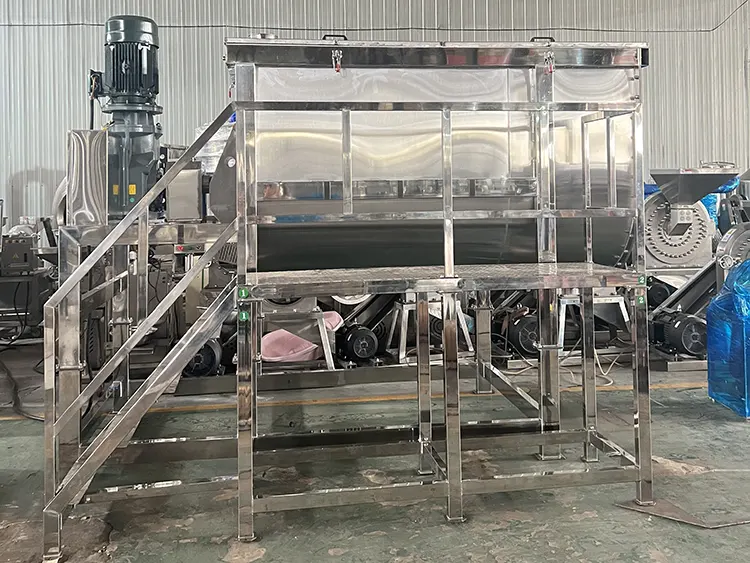
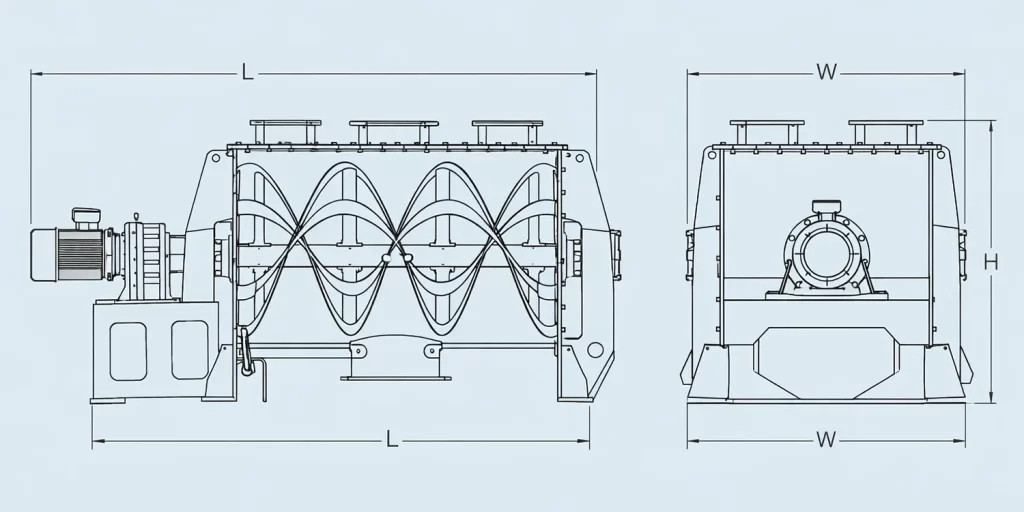
The ribbon blender consists of a U-shaped horizontal trough, a double helical ribbon agitator, and a drive system. It is designed to achieve fast and uniform mixing of powders, granules, and low-viscosity materials.

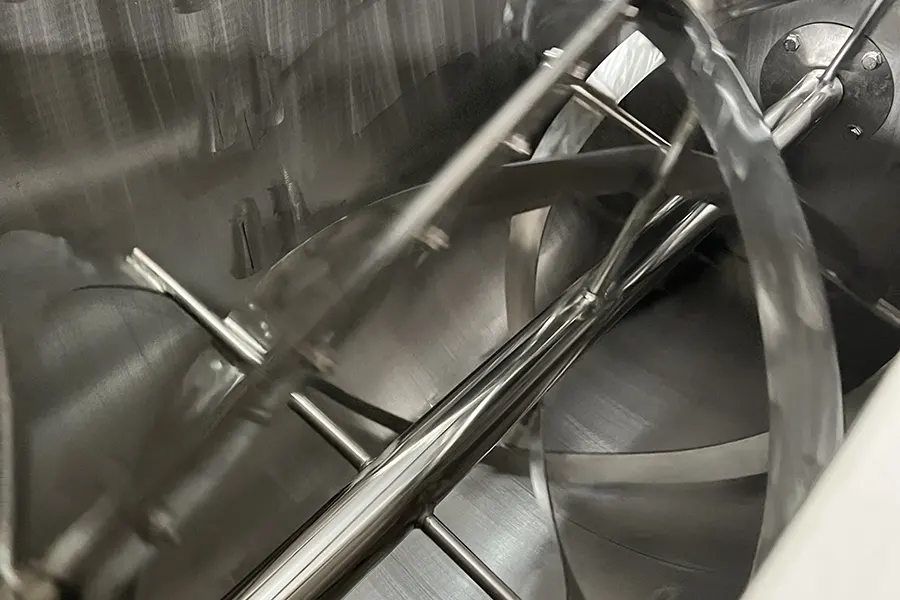
Inside the mixing chamber, the inner and outer ribbons rotate simultaneously with the main shaft. The outer ribbon pushes materials from both ends toward the center, while the inner ribbon moves materials from the center toward both sides. This opposing flow creates a continuous convective mixing pattern.

In addition to axial movement, radial mixing and shear effects occur during operation, allowing materials to be repeatedly dispersed and recombined. This ensures a high level of mixing uniformity within a short processing time.

The discharge outlet is located at the bottom center of the trough. With the assistance of the outer ribbon, materials are efficiently pushed toward the outlet, enabling quick and complete discharge with minimal residue and no dead zones.
Ribbon Mixer(images 7)
Ribbon Mixer(images 8)

Features

  • Ribbon and Paddle agitator design are available
  • GMP design with FDA certificate of non-metal part of mixer
  • Gentle mixing for fragile materials
  • Drying/cooling jacket and vacuum design is optional
  • Easy cleaning and maintenance
  • Heavy duty design
  • Food-grade packing gland seal
  • Batch or continuous mixing process

Applications

  • Food & Dairy: Milk powders, infant formula, protein blends, premium coffee/tea powders, spice mixes, and nutritional fortificants
  • Chemicals: Pigments, dyes, ceramic powders, metal powders, catalysts, and high-performance polymer blends
  • Pharmaceuticals & Nutraceuticalsc: Active Pharmaceutical Ingredients, excipients, vitamin premixes, probiotic blends, and fine powder formulations
  • New Energy & Battery Materials: Cathode/Anode powders, conductive additives, solid-state electrolytes, and coating powders

Details

Drive unit
Drive unit
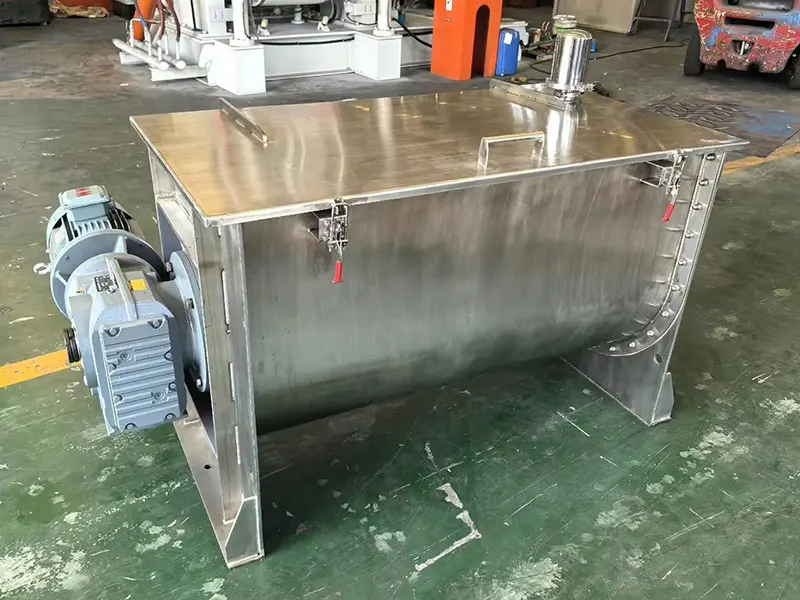
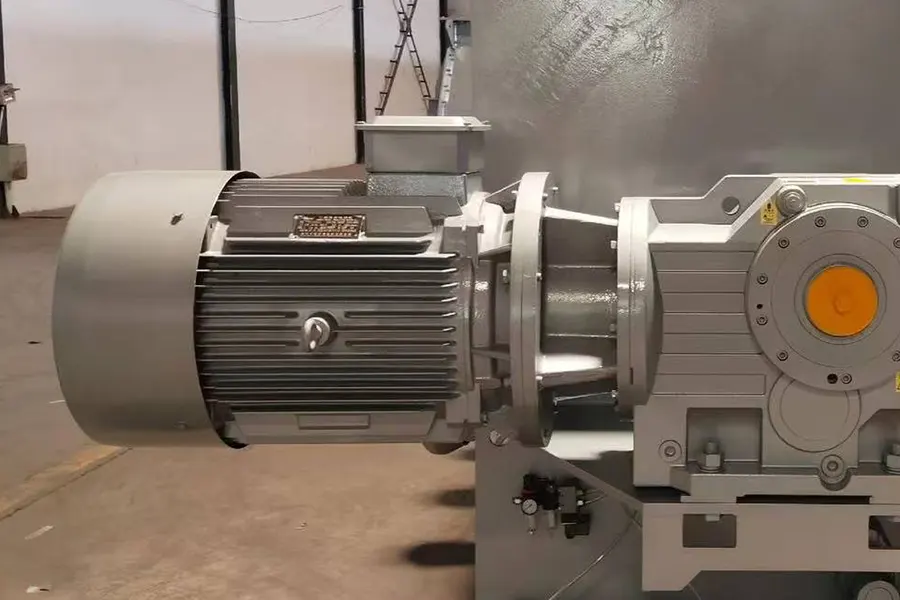
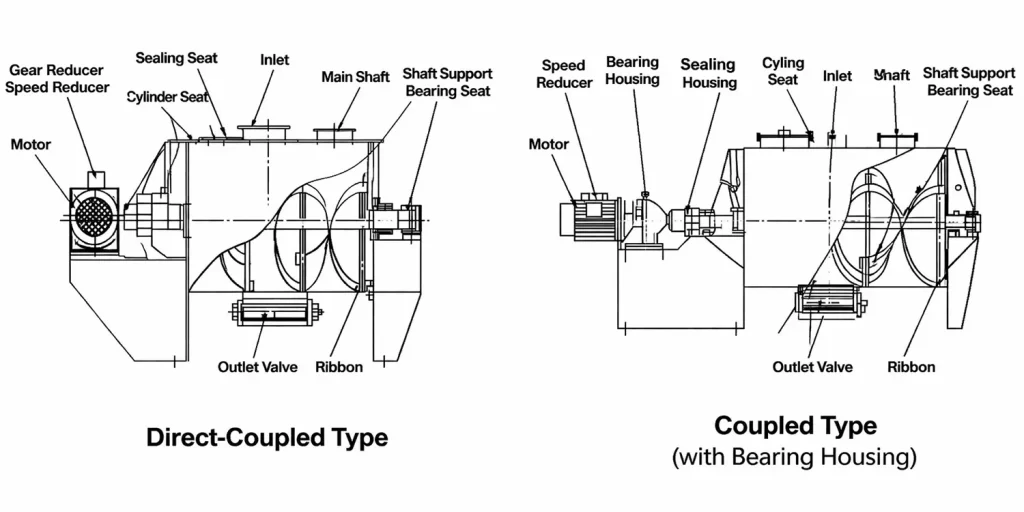
Standard horizontal mixers are driven by gear reducers through direct connection, which has the advantages of high torque, high reliability, and low noise. For large-scale equipment, a combination of gear reducers and belt transmission is adopted to protect the transmission components in case of unexpected situations.
Flexibly detachable ribbon main shaft
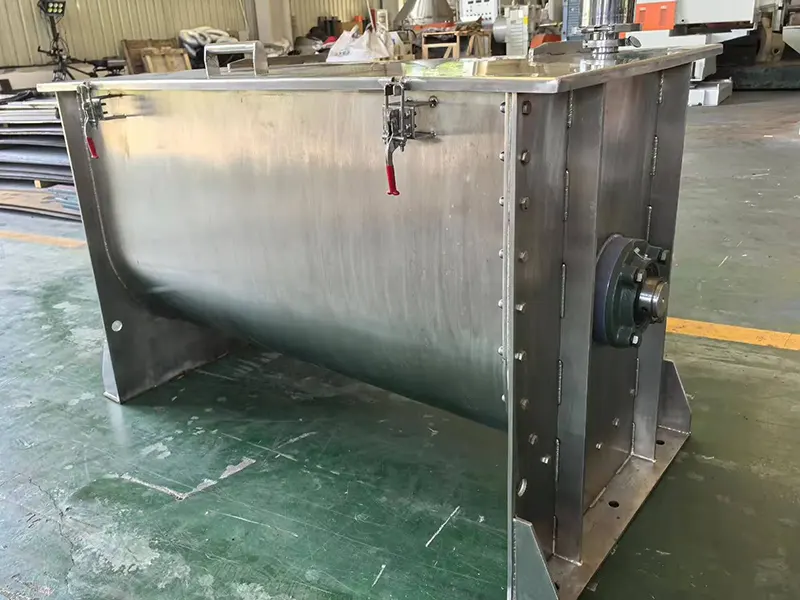
The ribbon main shaft is connected to the drive shaft flange, allowing for quick disassembly when maintenance or replacement of the shaft is required. The flexible disassembly design enables the U-shaped vessel to be fully welded to the two end plates, avoiding material gaps that may occur with large flange connections on the vessel and reducing residue.
Inlets
Inlets
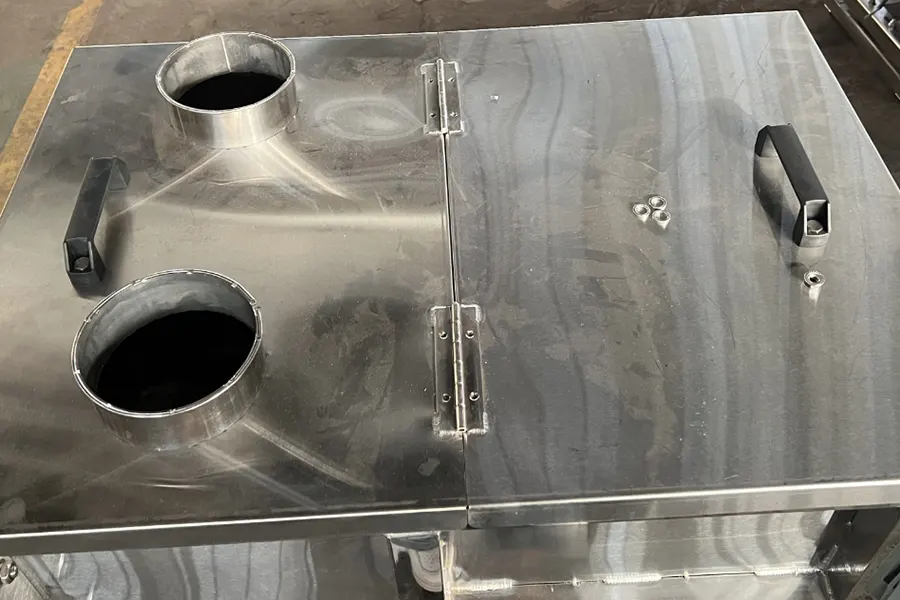
Compared to other types of mixers, the horizontal ribbon mixer offers more flexibility in terms of the lip. It can be designed as fully open, half open, or fully sealed. The fully open design is suitable for situations that require high cleanliness standards and is supported by gas springs for convenient and safe operation.
Discharge valve
Discharge valve
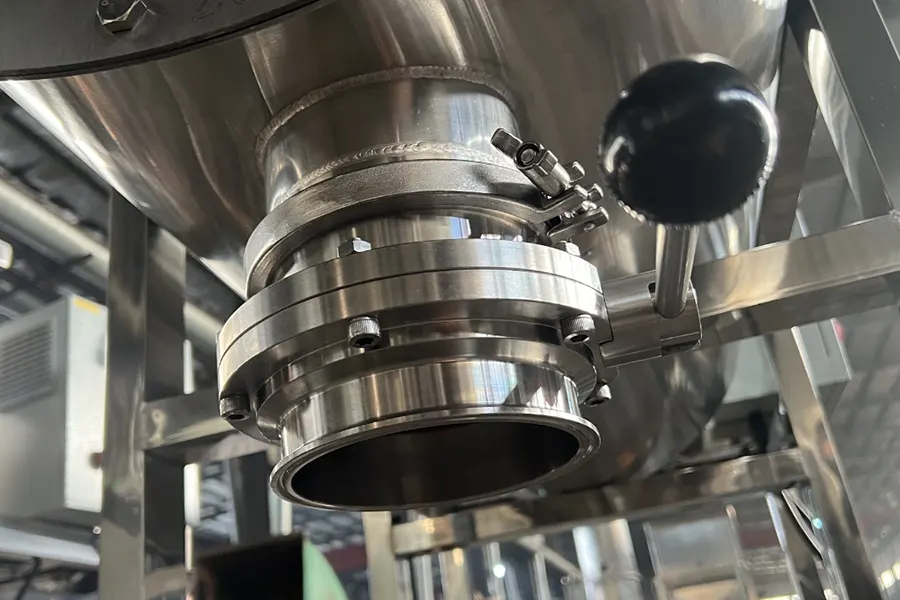
Generally a pneumatic flipper valve is adopted. The circular arc valve is tightly embedded in the cylinder, flush with the inner wall of the cylinder, and free from the phenomena of material accumulation and dead corners for mixing. The reliable edge strip-type sealing ensures no leakage during frequent opening and closing.
Heating/cooling jacket
Various types of jackets can be added to the outer body of the mixer, allowing for the cooling or heating of the material by injecting cold or hot media into the jackets. Cooling is typically achieved by pumping industrial water into the jackets, while heating can be achieved by introducing steam or thermal oil.
Main shaft seal
Main shaft seal
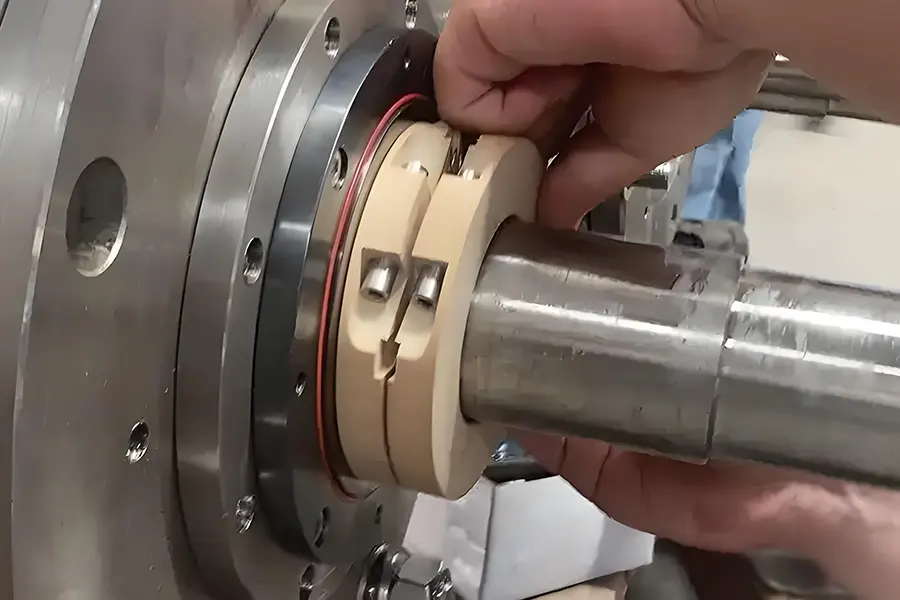
When mixing ultrafine powders, the use of a new type of balanced seal and packing seal enhances the airtightness and effectively prevent the flow of gas and powder between the inside and outside of the vessel.
Specifications
Gross Volume (L)Effective Volume (L)Overall Dimensions (mm)Shaft Speed (rpm)Approx. Weight (kg)
10040-601300*550*1100101310
300120-1801900*700*120056570
500200-3002200*850*140052840
1000400-6003200*1070*1600431760
1500600-9003400*1170*1700381940
2000800-12003750*1270*1900352740
30001200-18004100*1460*2100303340
40001600-24004400*1570*2250274210

Complete Powder Mixing Line Workflow

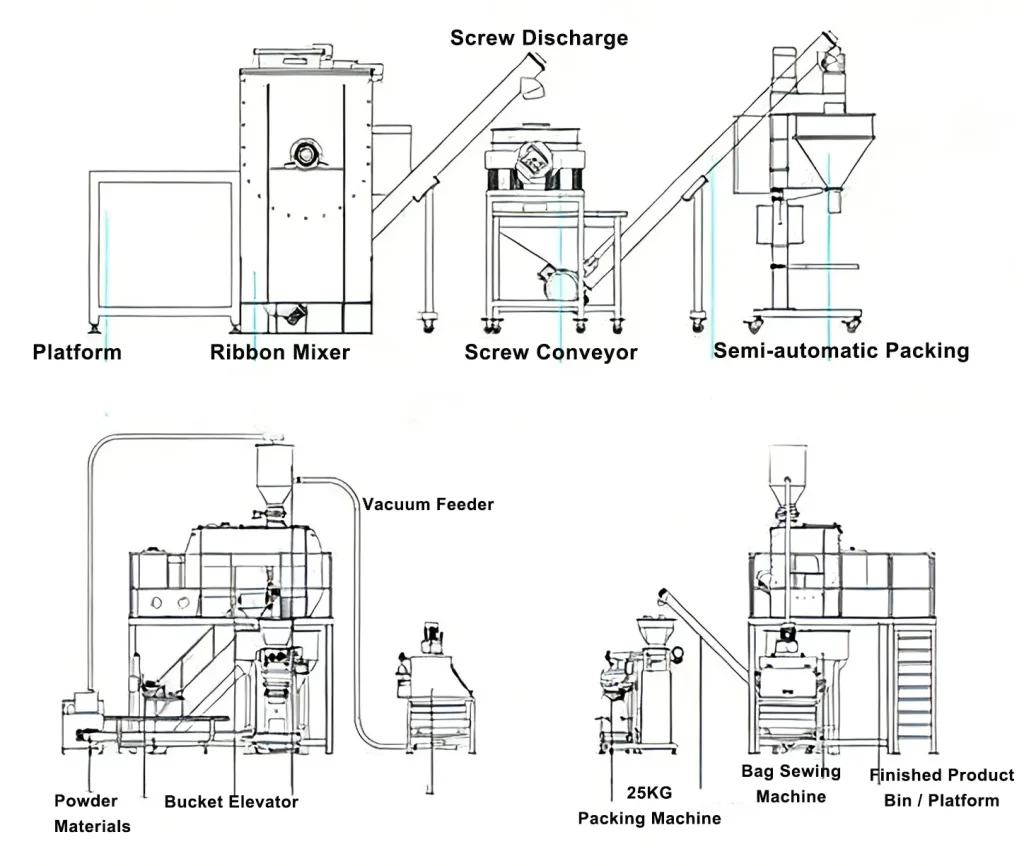
Raw materials are fed into the system via a screw conveyor or vacuum feeder, then enter the ribbon blender for uniform mixing. After mixing, the finished product is discharged and transferred to the next stage through a conveying system, and finally packed by an automatic packaging machine. A dust collection system can be integrated to ensure a clean and safe working environment.
Ribbon Mixer(images 15)

We engineer complete production solutions. A typical line from our portfolio includes:
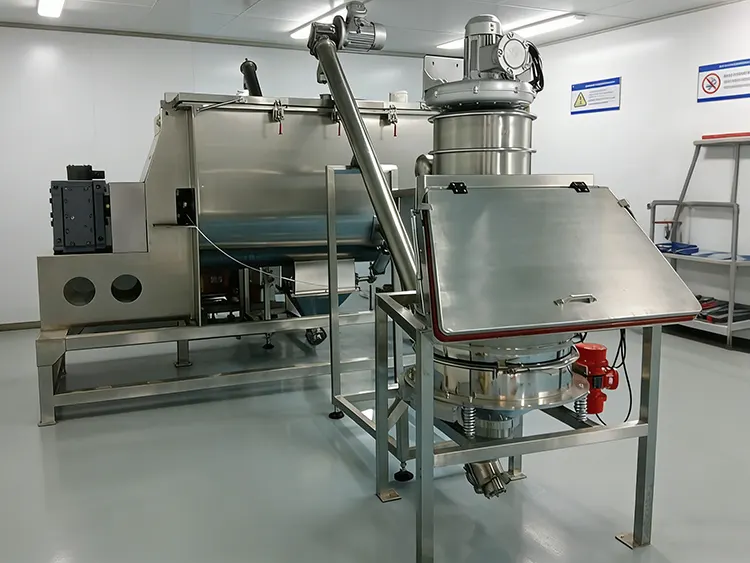
  • Raw material receiving – Bulk bag dischargers, sack tip stations with dust control
  • In-process transfer – Vacuum conveyors, mechanical elevators matched to your layout
  • Weighing and dosing – Micro-ingredient systems for enzymes and perfumes
  • Primary mixing –Plough mixers or ribbon mixers sized to your batch requirements
  • Intermediate storage – Surge hoppers with level control to feed packaging continuously
  • Automated packaging – Vertical form-fill-seal, pre-made bag fillers, or bulk bag stations
  • Plant-wide control – PLC platforms with recipe management and full data traceability
  • Dust collection – Centralized or point-source systems maintaining compliance
undefinedundefinedundefined

Online Message

Name*
Company
Email*
Whatsapp/Phone*
Message
Submitting!
Submission successful!
Submission failed!
Incorrect email address!
Incorrect phone number!

Talk online for more details